Research in the right order
- Find the official site or responsible institution.
- Confirm opening arrangements, booking, language, and meeting point.
- Read access notes before paying or travelling.
- Check weather, transport, clothing, and return timing.
Physical conditions
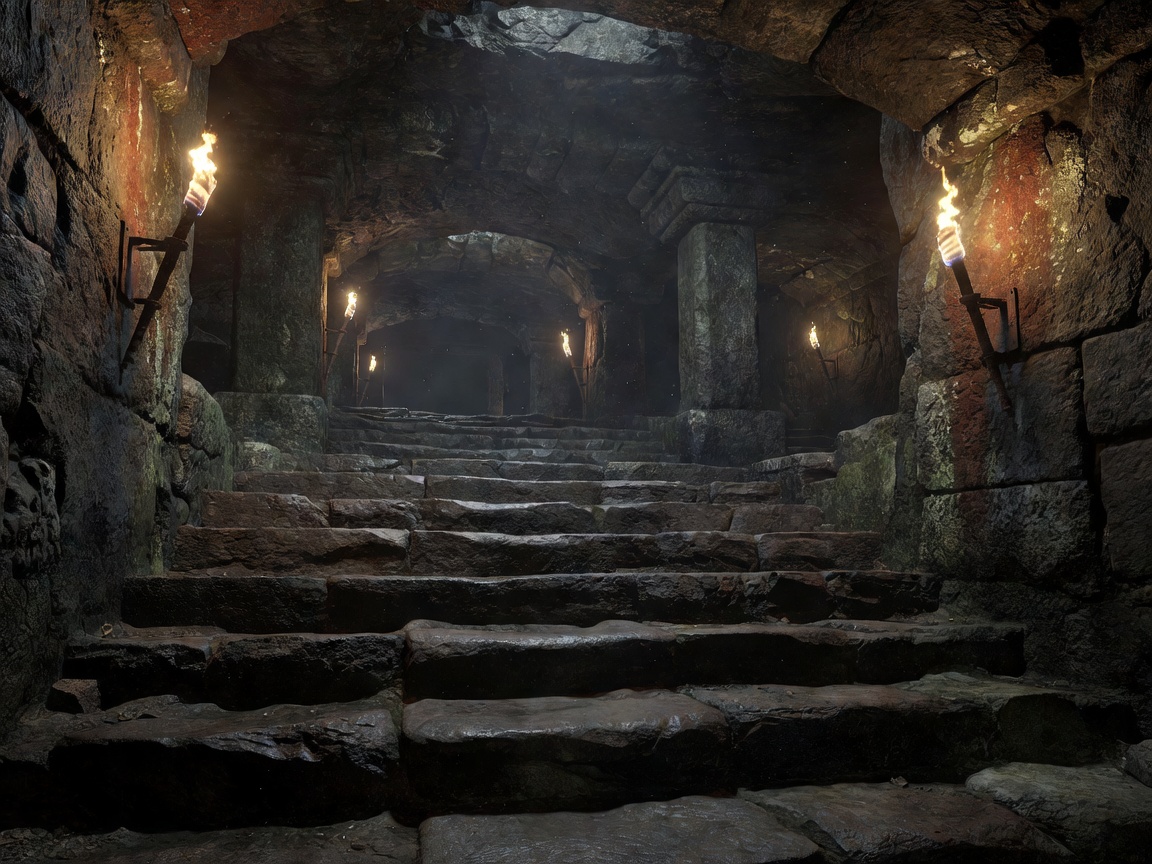
Stairs may be steep, narrow, irregular, or one-way. Floors can be wet or uneven. Temperature underground may differ from the surface, while humidity can make stone and metal slippery. Choose stable footwear and clothing that allows movement.
Accessibility information should be specific. Ask about steps, lifts, route length, rest points, lighting, toilets, seating, and assistance. Do not assume that a ground-level entrance leads to an accessible underground route.
Light, photography, and sound
Bring only equipment permitted by the site. Flash, tripods, large bags, drones, and supplemental lights may be prohibited. Never use a light to inspect closed areas or distract a guide. Quiet helps other visitors and protects religious or commemorative settings.
Responsible behaviour
- Use official entrances and designated paths.
- Follow guides, barriers, signs, and closure notices.
- Do not touch walls, deposits, remains, cables, or displays.
- Do not enter abandoned, sealed, private, or unstable structures.
- Take all waste out and leave no marks.
Quick comparison
Good for
Visitors who want a realistic plan, families checking mobility needs, photographers reviewing restrictions, and researchers comparing how different sites manage access.
What to know
Opening times, routes, rules, and conditions can change. Official information takes priority over old guides, social posts, and map listings.