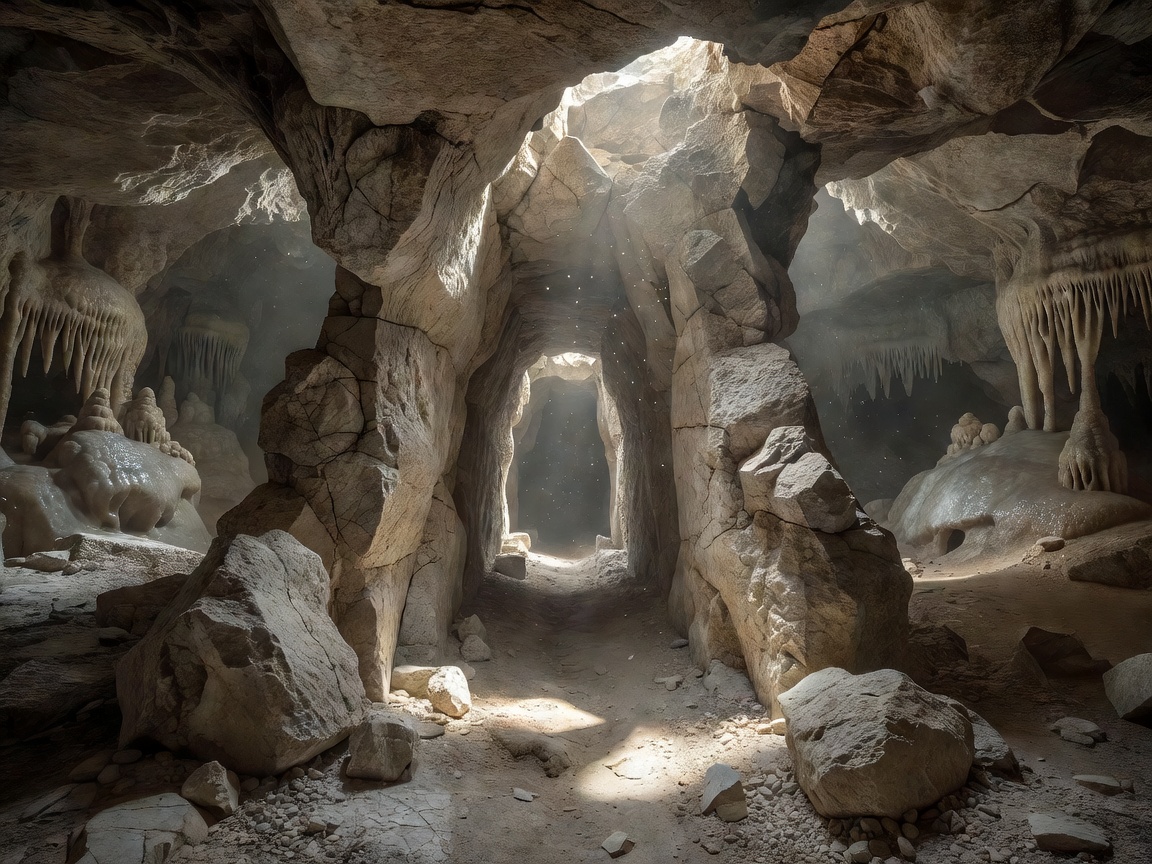
01 / Region
Underground Regions
Geology, urban history, mining districts, defensive landscapes, and religious spaces across Europe.
Read the regional guide →Europe / Underground / Atlas 01
Explore Europe's tunnels, bunkers, crypts, catacombs, mining spaces, and other subterranean heritage through history, structure, region, and visitor information.
Five working files
Use the atlas by subject. Each guide separates historical context from modern access conditions.
01 / Region
Geology, urban history, mining districts, defensive landscapes, and religious spaces across Europe.
Read the regional guide →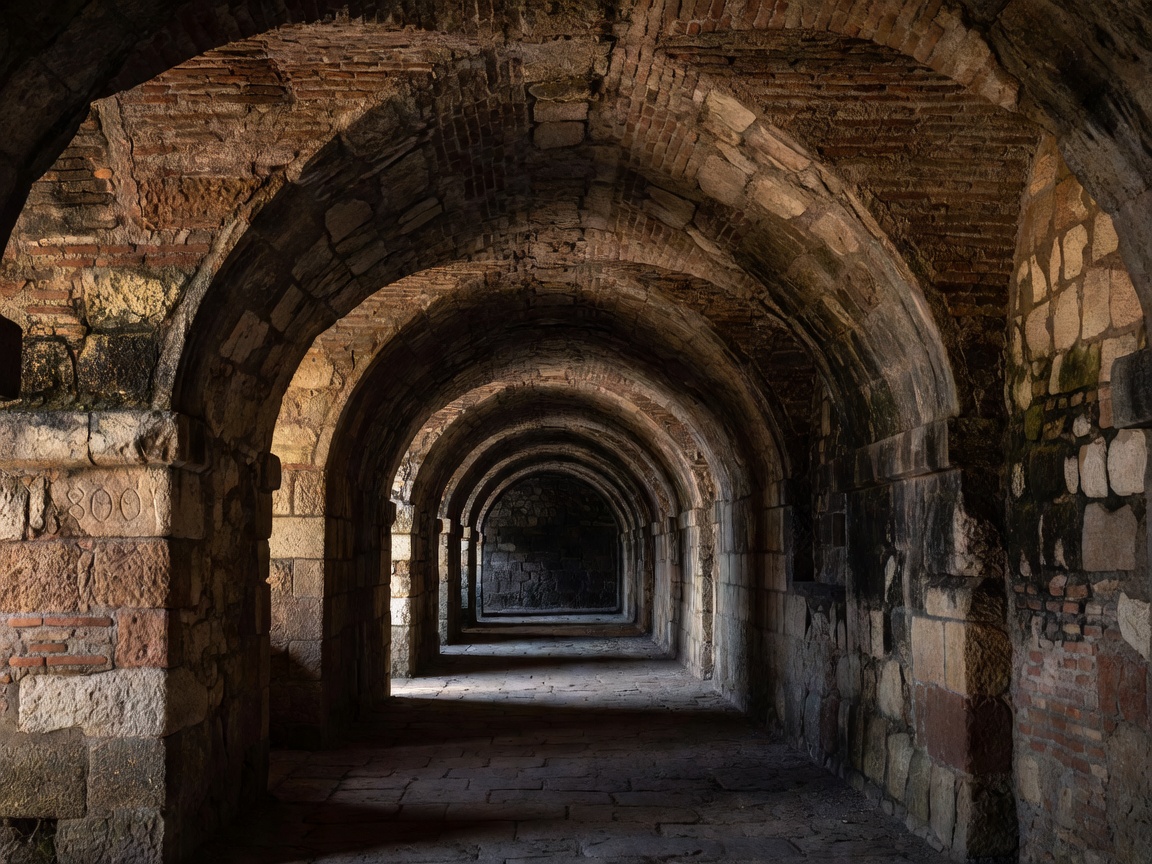
02 / Structure
Transport, water, mining, defensive, and urban passages. Read the engineering in the walls.
Study tunnel types →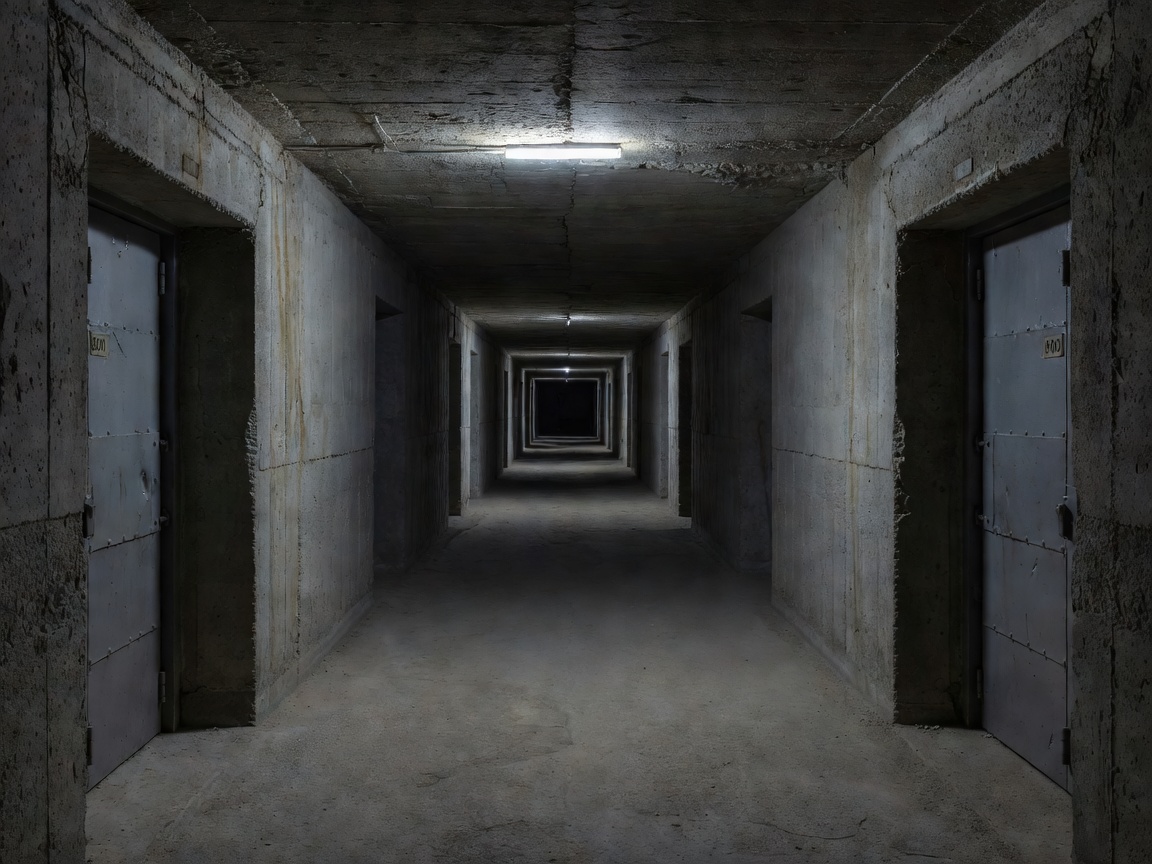
03 / Defence
Underground military architecture, civil defence, fortification systems, and interpretation.
Open the fortification file →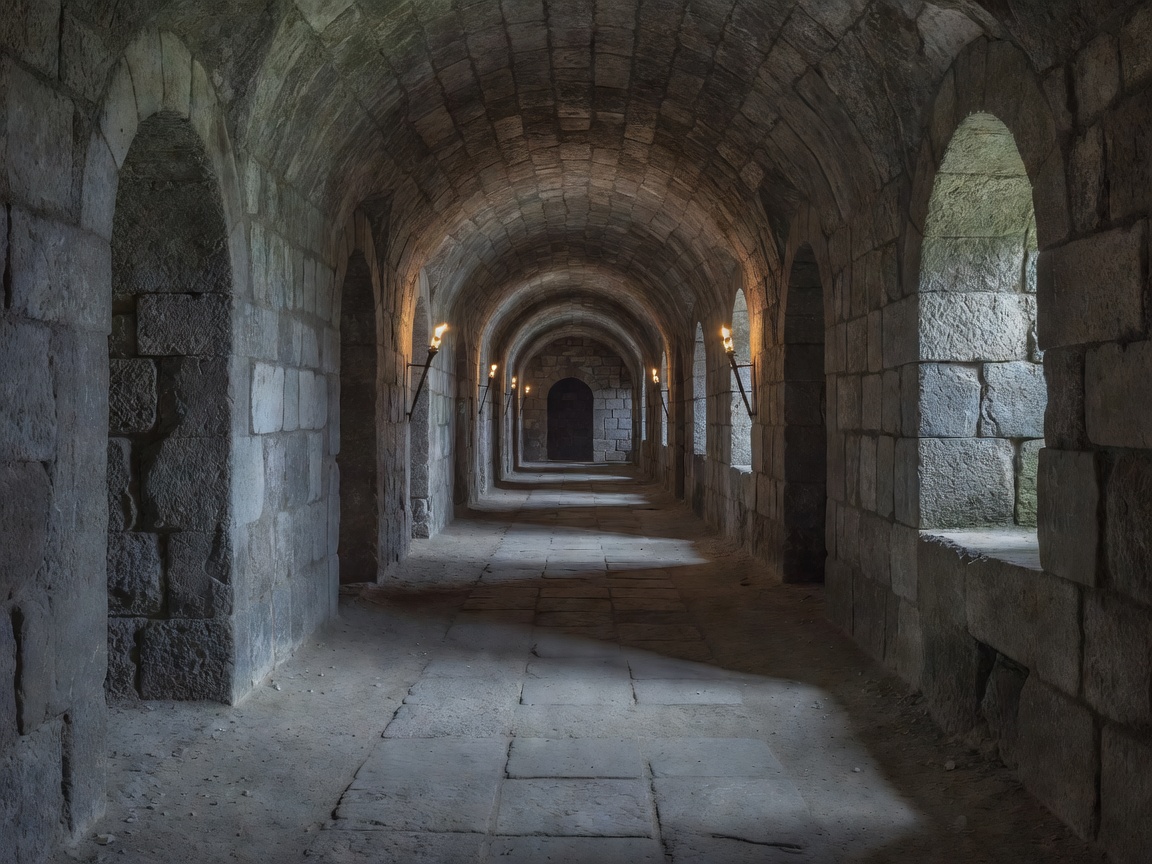
04 / Burial
Definitions, religious architecture, archaeology, preservation, and visitor conduct.
Compare burial spaces →
05 / Visit
Access, stairs, temperature, humidity, lighting, footwear, photography, and responsible travel.
Prepare your visit →The underground atlas method
Locate the site within its geology, settlement pattern, borderland, or mining landscape.
Identify a tunnel, bunker, crypt, catacomb, quarry, mine, cistern, or mixed system.
Separate original function, later adaptation, and current interpretation.
Look for preservation limits, humidity, stairs, lighting, and controlled access.
Use official entrances, current visitor information, and local instructions before travel.