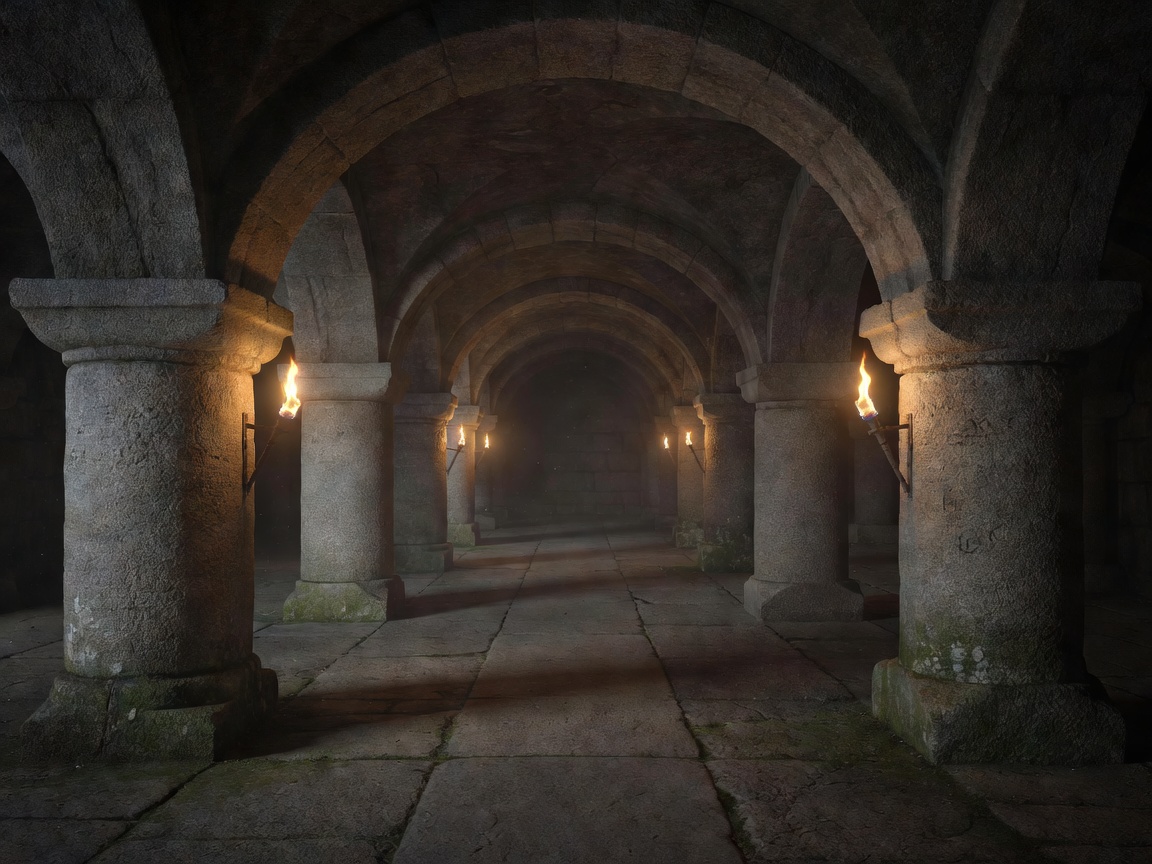
Four useful distinctions
These are working categories, not universal legal definitions. Local language and historical practice matter. A site may have more than one function or may have changed use over time.
Architecture and ritual
Columns, apses, stairs, niches, inscriptions, altars, and spatial sequence can express religious or social ideas. Some spaces were intended for worship, some for burial, and some for storage of remains. Interpretation should avoid treating human remains as scenery.
Archaeological context is equally important. Disturbing soil, touching surfaces, moving objects, or taking photographs where prohibited can damage evidence and disrespect the dead. Follow the guide and posted instructions.
Preservation pressures
Humidity, salts, candle smoke, visitor contact, vibration, and inappropriate lighting can affect masonry, paint, textiles, inscriptions, and bone. Controlled routes and limited photography may support conservation rather than reduce the experience.
Visitor interpretation
Good interpretation explains who created the space, how it was used, what changed, and what remains uncertain. It distinguishes documented history from tradition or later reconstruction. Dates and names should be checked against the responsible institution or official source.
Good for
- Comparing burial architecture and religious geography.
- Learning how material evidence supports interpretation.
- Practising respectful, low-impact heritage visits.
What to know
Some burial sites remain active religious places or protected archaeological contexts. Dress, silence, photography, accessibility, and group movement may be regulated. Do not enter sealed chambers or leave designated routes.